
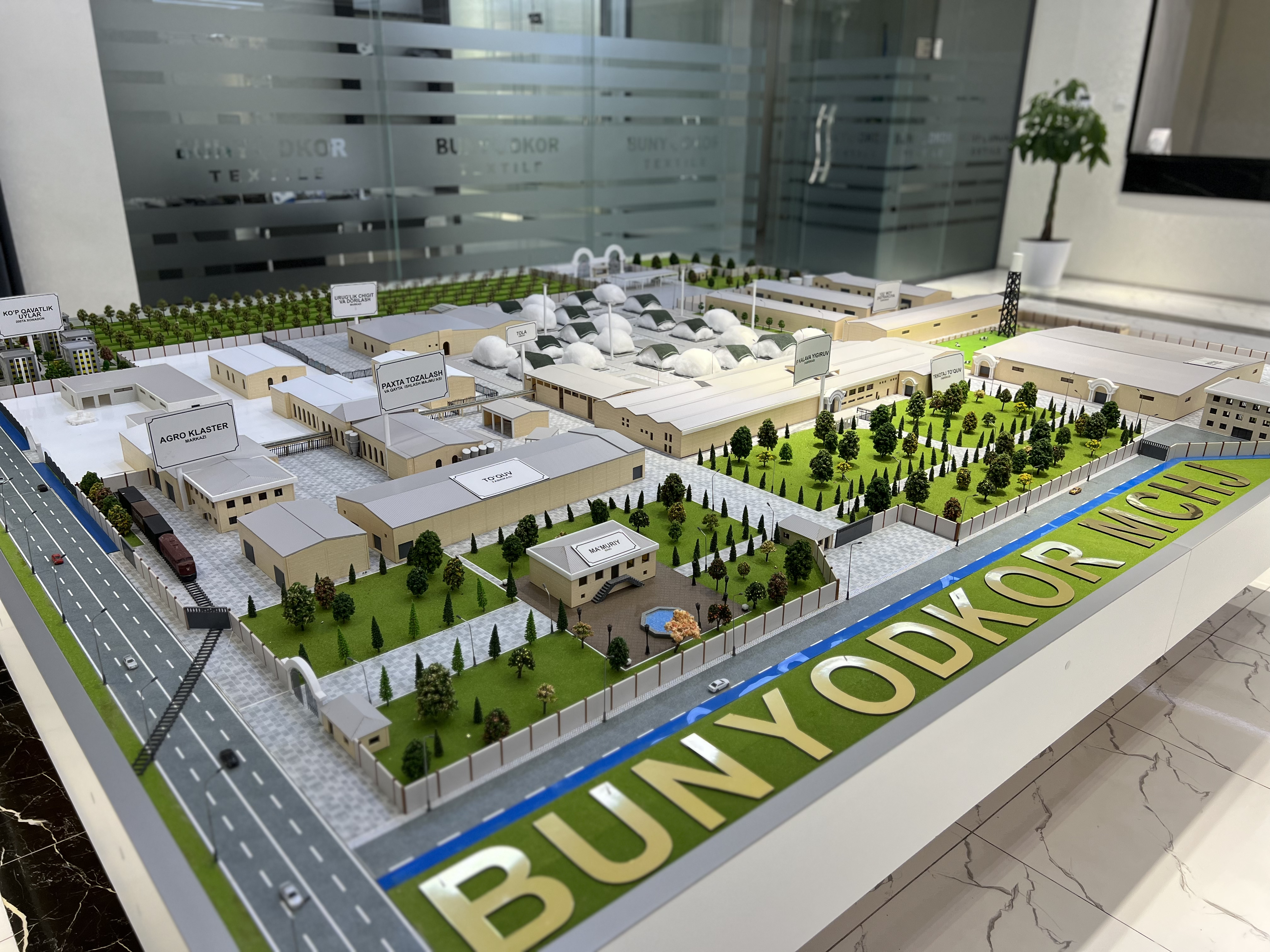
Factories and production types
01.Cotton ginning and oil extraction complex
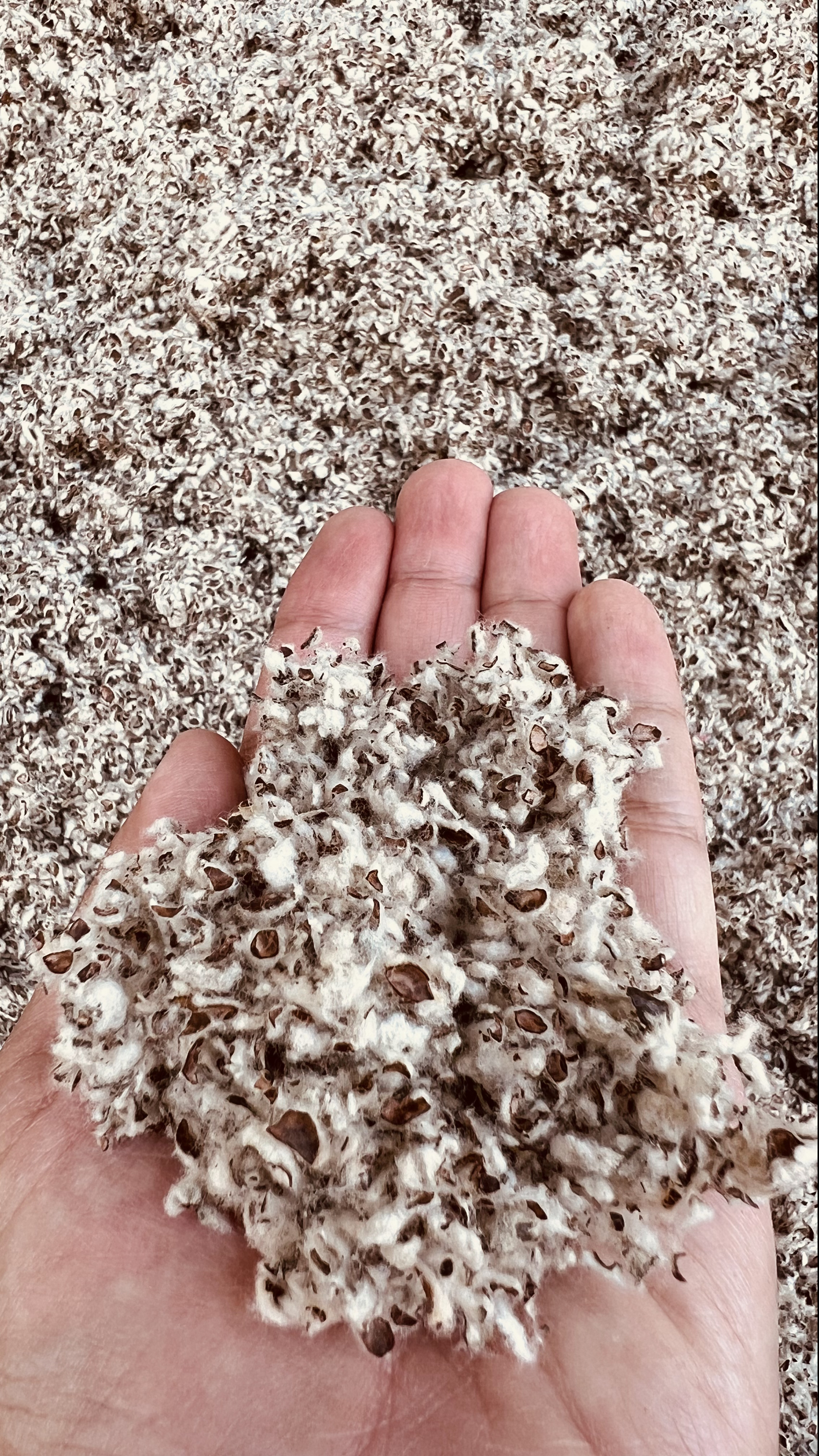
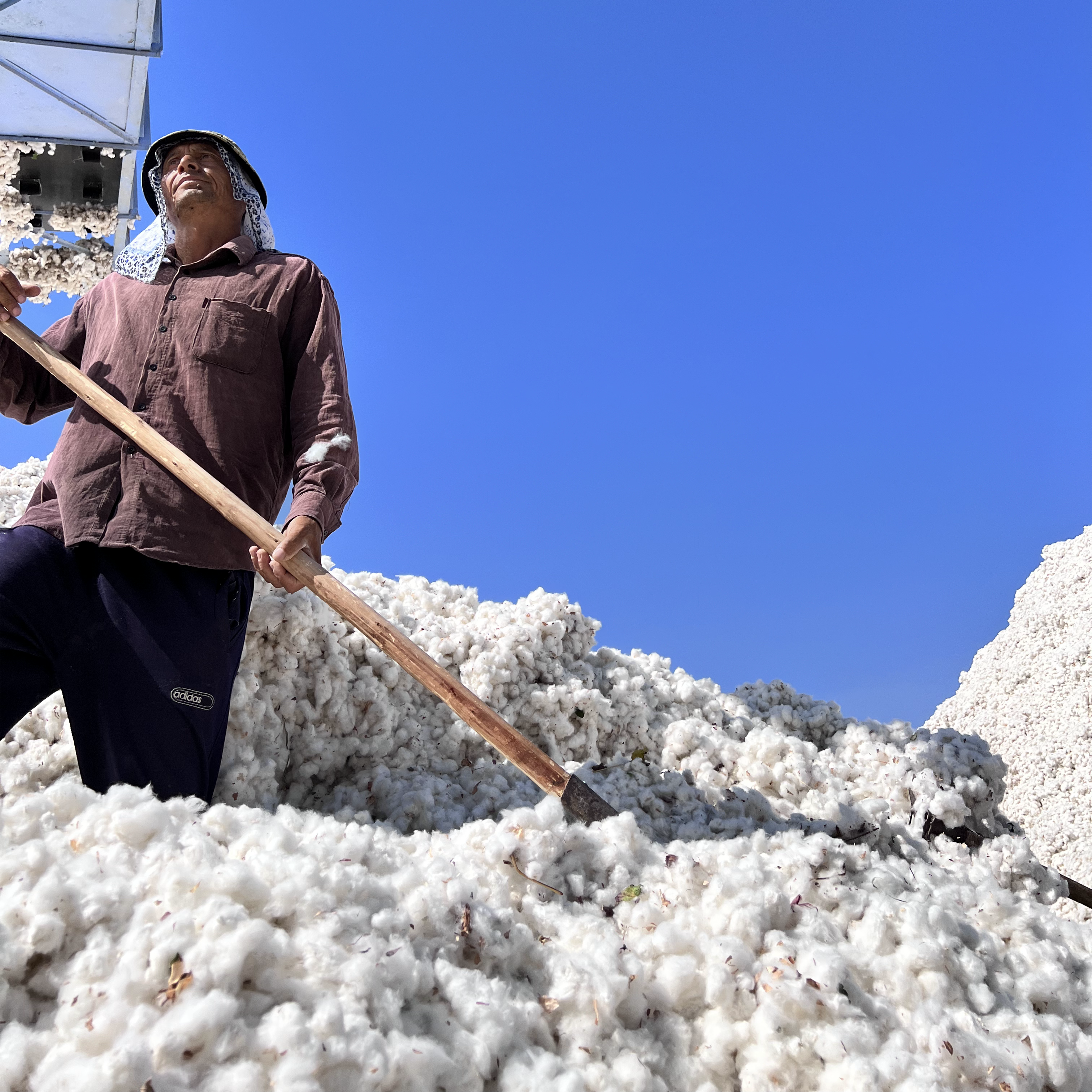
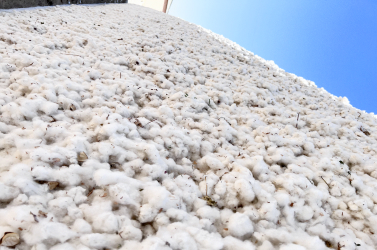
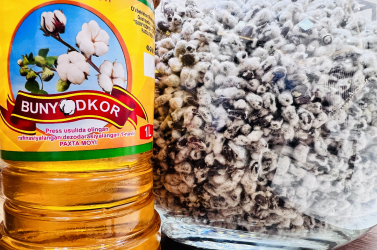
Modern Bunyodkor equipment cleans medium-, fine- and long-staple cotton of any grade with different moisture levels and impurities. The cleaning complex offers continuous processing, high productivity and the ability to handle different fibre lengths and cotton varieties.
02.Spinning
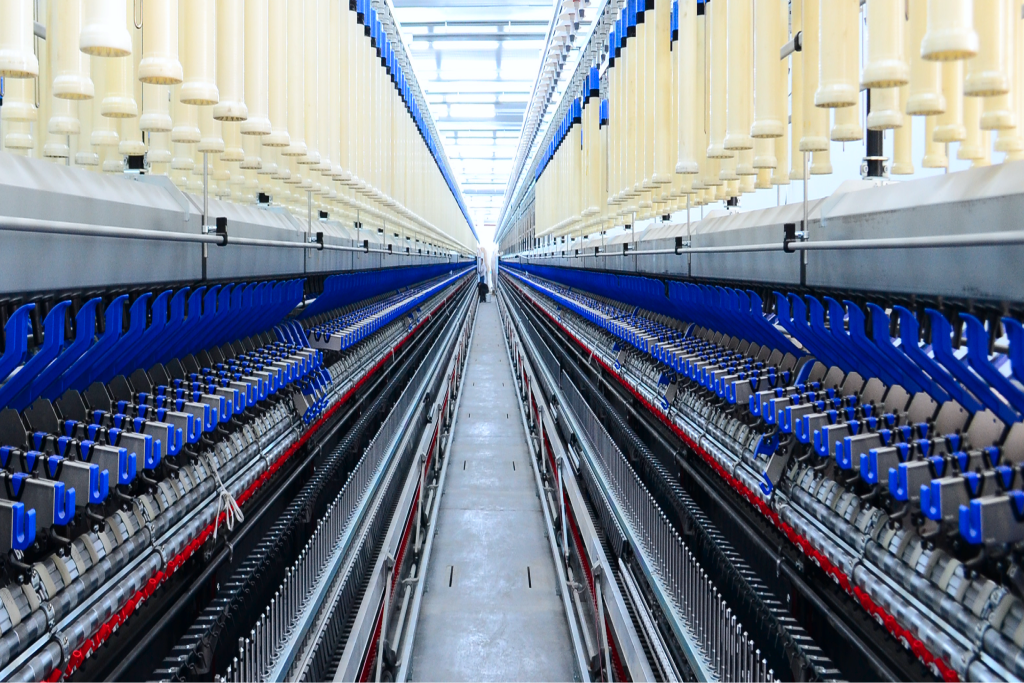
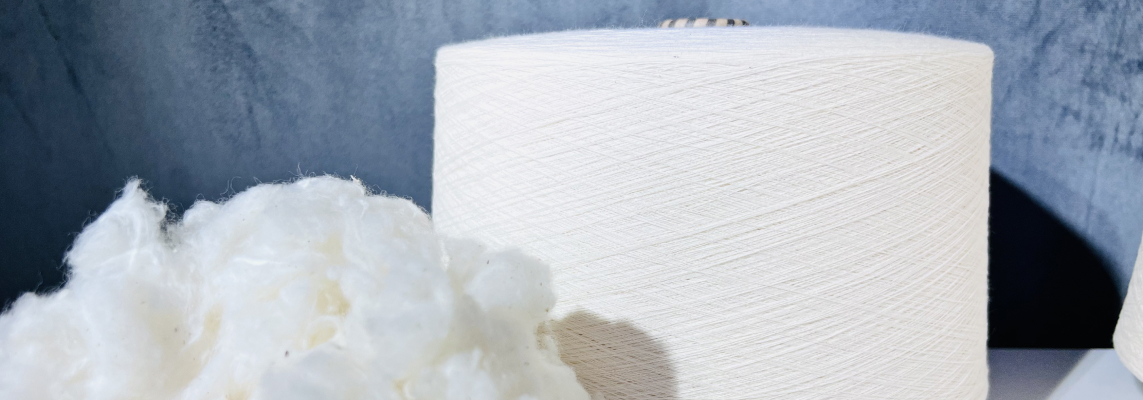
Ring spinning at Bunyodkor factories includes carded and combed processes. Carded yarn ranges from coarse to medium counts, while combed yarn ranges from medium to fine. Combing improves yarn strength and lustre, supporting high-quality woven fabrics, knitted fabrics and garments.
Following Just in Time and Kaizen Planning processes, cotton fibre is delivered to the opening and cleaning department, unpacked and conditioned at specified temperature and humidity levels. It is then cleaned, blended and fed to carding machines. Carding aligns fibres, removes impurities and directly influences yarn quality.
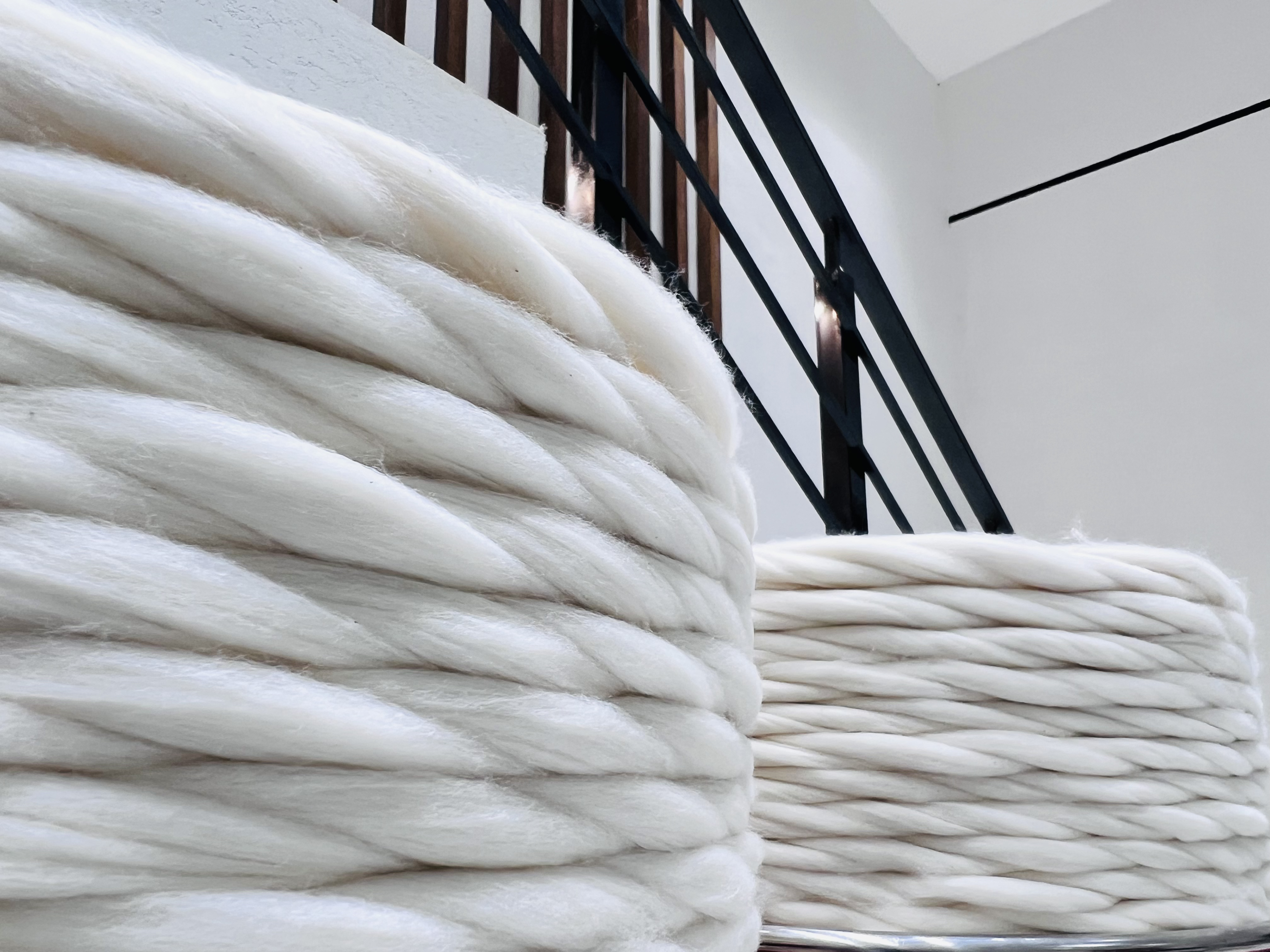
During drawing, incoming slivers are combined and drafted to achieve a uniform weight per unit length. This maximises fibre alignment and removes additional dust. Roving and spinning then draft and twist the strand to the required thickness before winding it onto a bobbin.
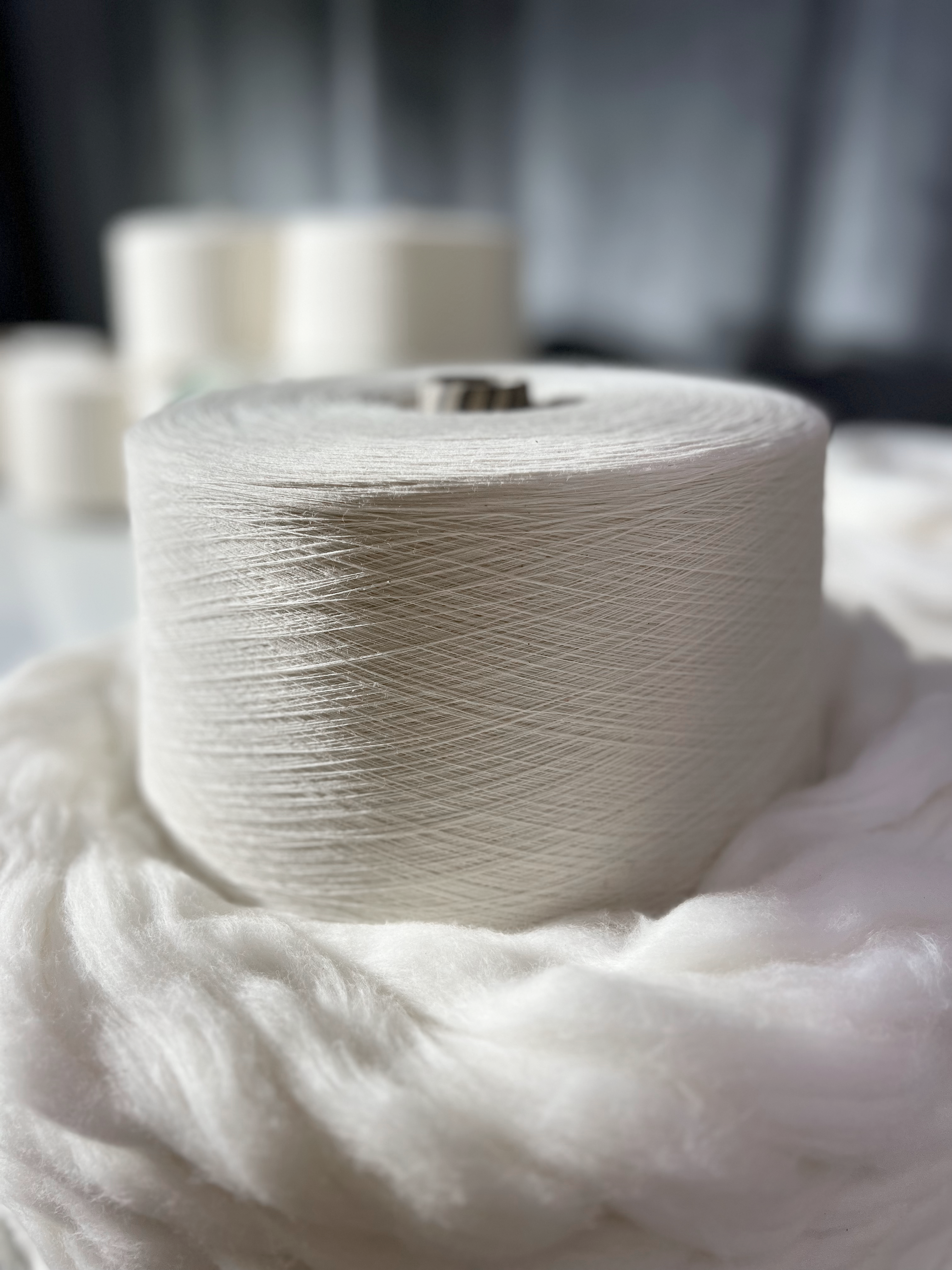
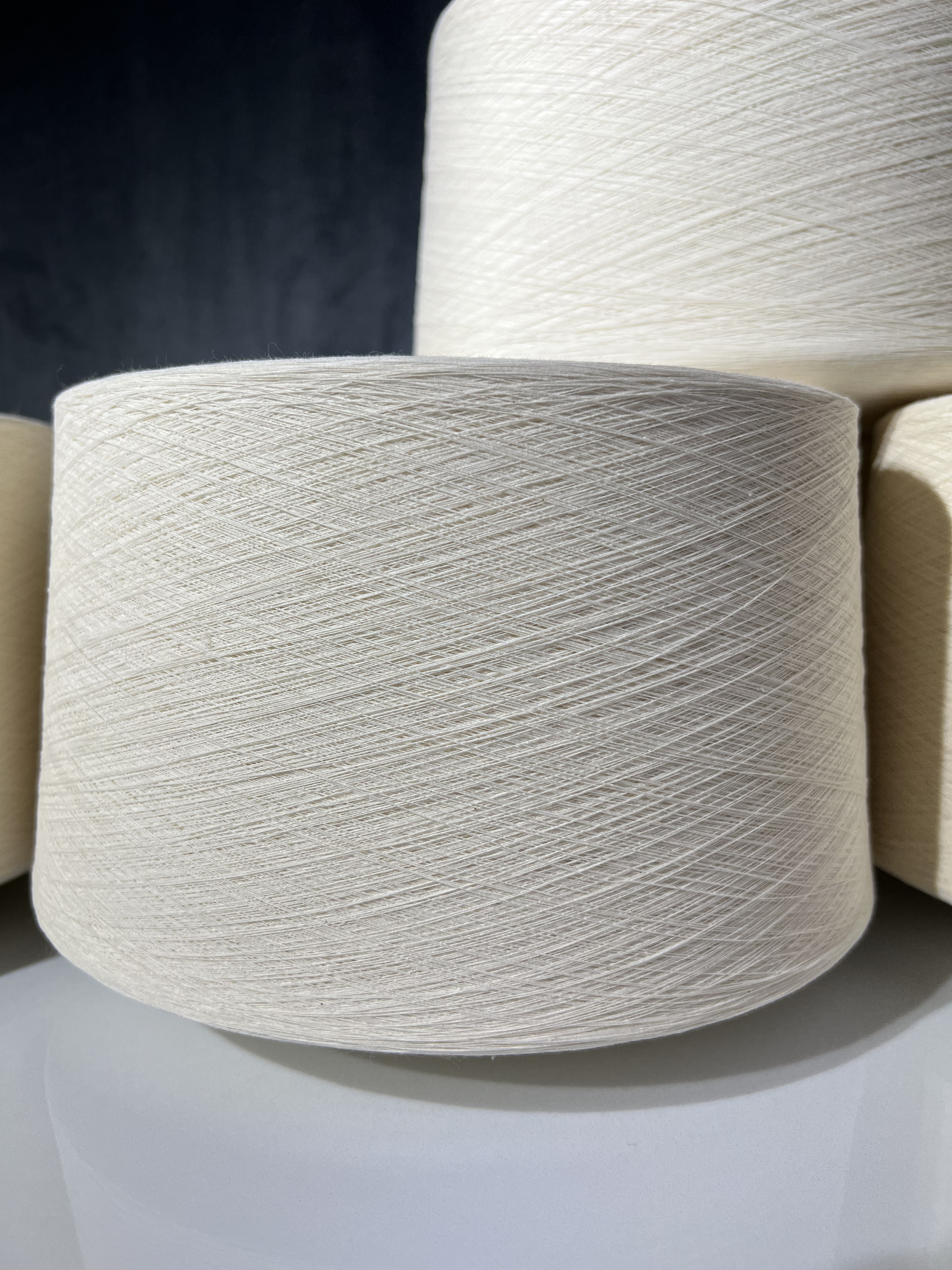
The final stage is yarn winding. Yarn Clear cleans the yarn, which is wound into cones or bobbins for transport and use in warping, twisting, knitting, packaging and dyeing departments.
03.Knitting
Bunyodkor factories use their own yarn to ensure quality, uninterrupted knitting production. The range includes 100% cotton and cotton with Lycra: single jersey, supreme, piqué, rib knit and two- and three-thread fleece.
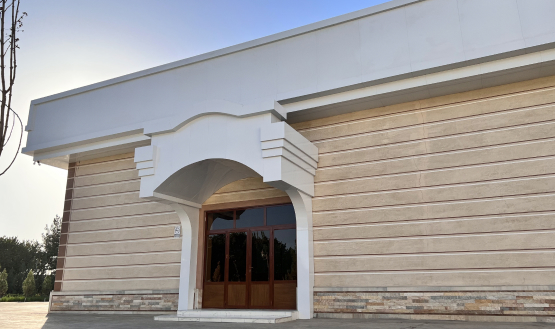
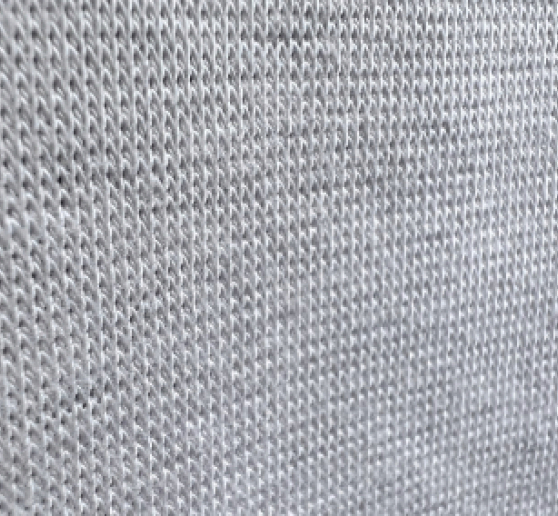
Process settings and fabric characteristics are strictly controlled during knitting. Inspection uses Demsan equipment that maintains standard tension, winds rolls without creases and detects visible defects using ultraviolet lighting.
04.Weaving
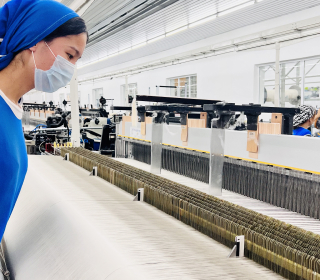
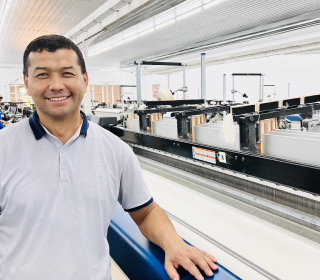
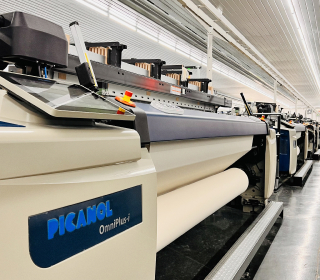
Picanol OmniPlus and Max looms combine mechanical and electronic components with fully electronic pressure control. BlueBox converts production data into optimal settings, providing high productivity with minimal air consumption.
In the warping department, yarn from multiple bobbins is wound onto a warping beam. Sizing applies a protective coating to the warp, after which the threads are dried and wound onto a loom beam. Following drawing-in, the prepared warp enters the weaving department.
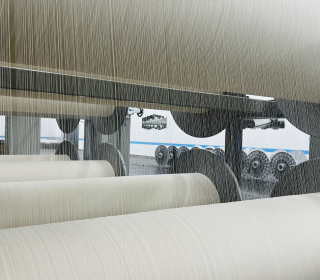
Final weaving operations include measuring fabric length, cleaning and shearing, quality inspection and folding. Finished products are carefully packaged for storage and transport.